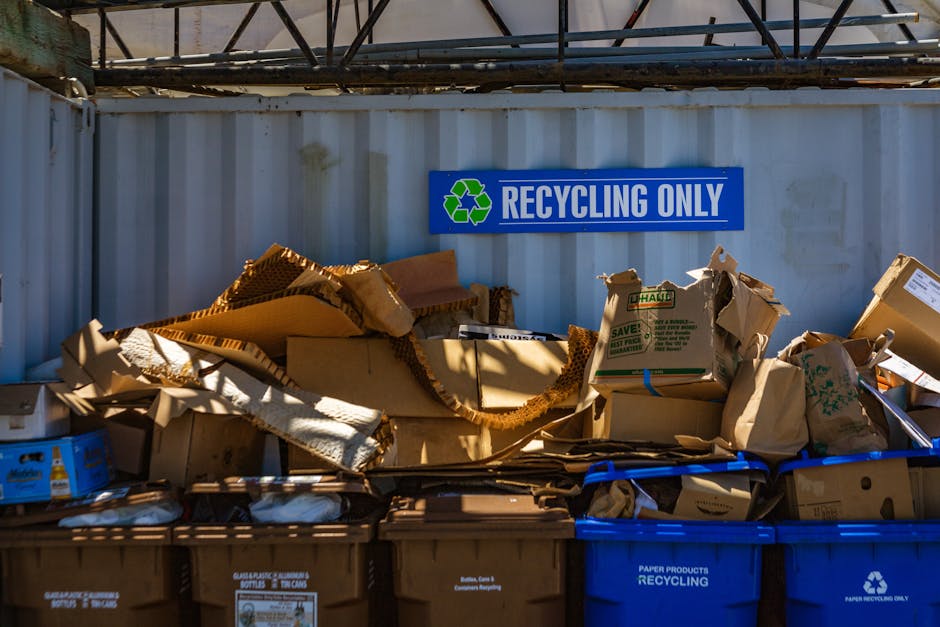
Canada Water station bulky rubbish collection tips South East London
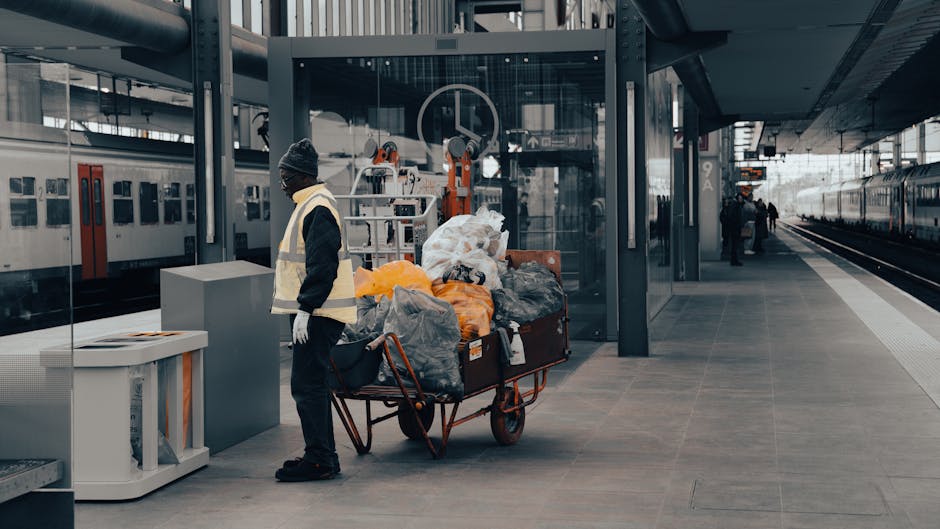
If you are trying to clear a bulky item near Canada Water station, you probably want the same thing everyone else wants: a simple, safe, no-fuss way to get the job done without blocking the hallway, annoying the neighbours, or spending half the day wondering where the mattress is meant to go. That is exactly what this guide is for. These Canada Water station bulky rubbish collection tips South East London readers actually need will help you handle furniture, broken appliances, household clutter, and mixed waste in a sensible way.
Truth be told, bulky rubbish is rarely just "one item". It turns into three bags, a wonky chair, an old desk with two missing screws, and suddenly the landing looks like a storage unit nobody asked for. In a busy area like Canada Water, with flats, shared entrances, and tighter access, planning matters. This article walks you through how bulky rubbish collection works, what to do before you book, how to avoid common mistakes, and how to choose the right disposal route for your situation.
Along the way, you will also find practical comparisons, a real-world style example, a checklist, and a few localised pointers that make the process less painful. Let's make it easier.
Table of Contents
- Why Canada Water station bulky rubbish collection tips South East London Matters
- How Canada Water station bulky rubbish collection tips South East London Works
- Key Benefits and Practical Advantages
- Who This Is For and When It Makes Sense
- Step-by-Step Guidance
- Expert Tips for Better Results
- Common Mistakes to Avoid
- Tools, Resources and Recommendations
- Law, Compliance, Standards, or Best Practice
- Options, Methods, or Comparison Table
- Case Study or Real-World Example
- Practical Checklist
- Conclusion
- Frequently Asked Questions
Why Canada Water station bulky rubbish collection tips South East London Matters
Canada Water is a practical, busy part of South East London, and that matters when you are shifting large waste items. Space is often limited. Parking may be awkward. Stairwells can be narrow. Lifts are not always available, and when they are, they may already be busy with everyday foot traffic. If you have ever tried to move a wardrobe through a communal entrance at 8:15 in the morning, you will know the feeling. Not ideal.
That is why a clear approach to bulky rubbish collection matters so much here. A good plan can save time, reduce stress, and help prevent damage to walls, lifts, floors, and the item itself. It can also reduce the chances of leaving waste outside too long, which can create a mess or attract complaints from neighbours. In a local environment, that kind of thing spreads quickly. One item on a pavement can look like the start of a mini fly-tip, even if you meant to move it later.
There is also the question of choosing the right route. Some people only need to get rid of a sofa. Others are clearing a rental flat, a storage room, or a whole garage's worth of mixed junk. The best method depends on volume, access, urgency, and whether the waste is reusable, recyclable, or simply broken beyond saving.
Expert summary: The best bulky rubbish collection plan near Canada Water is usually the one that matches your access, timing, and item type, not the one that looks cheapest at first glance. A slightly better plan often saves more than it costs.
If your waste includes furniture, office items, or a mix of domestic rubbish, it helps to compare the practical options before moving anything heavy. For broader disposal support, many people start by looking at rubbish collection services or a more complete waste removal solution, depending on what needs to go.
How Canada Water station bulky rubbish collection tips South East London Works
Bulky rubbish collection is, at heart, a logistics job. You identify the waste, separate what can be reused or recycled, decide how much help you need, and arrange removal in a way that suits your property. The simpler it looks on paper, the smoother it usually goes in practice.
Near Canada Water, the process often starts with access. Can a truck stop nearby? Is there a lift? Are there stair-only upper floors? Is the item in a basement or back room? These details matter more than people expect. A two-person lift job through a ground-floor flat is very different from moving a large sofa from the fourth floor of a block with one narrow stairwell. Different job, different effort, different risk.
Here is the typical flow:
- Identify the items. Make a quick list of everything you want gone.
- Separate special waste. Keep electricals, sharp items, and reusable goods apart if needed.
- Check access. Measure doorways, lifts, hallways, and the parking space nearest the property.
- Choose the right collection method. Use a collection or clearance service that fits the job size.
- Prepare the route. Clear small obstacles, protect floors if needed, and make the item easier to move.
- Schedule at a practical time. Early morning or a quieter slot is often easier in busy areas.
- Confirm disposal expectations. Ask how recycling, reuse, and general waste are handled.
In many cases, bulky rubbish collection is tied to broader clearance work. A one-off sofa pickup is simple. A flat clearance after a move, renovation, or tenancy change is more involved. If your job includes furniture, cupboards, beds, or mixed household items, it may be more efficient to look at house clearance or flat clearance rather than booking item-by-item removal.
And yes, the boring little details matter. A tape measure, a bit of planning, and a five-minute hallway check can save a very long afternoon.
Key Benefits and Practical Advantages
Good bulky rubbish collection is not only about making things disappear. It is about making the whole process feel manageable. That is the real win.
Here are the main advantages people notice:
- Less physical strain: Large items are awkward. Proper removal avoids unnecessary lifting and dragging.
- Better protection for your property: Narrow corners and stair edges can get scratched fast if you rush.
- Faster clear-outs: A planned collection can clear a room in one visit instead of dragging out over several days.
- Cleaner disposal: Waste is more likely to be sorted sensibly, rather than dumped into a single pile.
- Less neighbour friction: Good timing and tidy handling reduce complaints in shared buildings.
- More flexibility: You can choose removal for a single bulky item or for a larger mixed load.
There is also a practical money angle. If the items still have some life left, rehoming or selling them can reduce disposal volume. If not, separating recyclable parts where possible can make the collection easier to manage. A broken table is not glamorous, obviously, but it can still be treated sensibly.
For larger or mixed loads, a general service such as rubbish removal or waste clearance may give better value than trying to juggle several smaller arrangements.
Who This Is For and When It Makes Sense
This kind of collection support makes sense for a lot of people around Canada Water station, especially where space, access, or timing are not straightforward. You do not need to be doing a full house move to need it.
It is a good fit if you are:
- clearing a flat after moving out
- replacing old furniture
- emptying a spare room, loft, or storage area
- handling rental or tenant changeover waste
- getting rid of broken items too large for normal bin collections
- preparing for decorating or refurb work
- disposing of office desks, chairs, or filing items
It also makes sense when the item is technically liftable but still awkward. A mattress is light enough in theory, but try manoeuvring one around a bend with a door that opens the wrong way. You will quickly see why practical help matters.
For landlords, letting agents, and busy households, speed often matters as much as cost. If your space needs to be cleared before key handover or a trades visit, using a reliable collection option can keep everything moving. For business premises or shared workspaces, office clearance and business waste options may be more suitable than domestic-only disposal.
If the items are mainly household goods and usable furniture, a furniture-specific service can also help. That is especially useful when you want the larger pieces gone without turning the whole property upside down.
Step-by-Step Guidance
Here is a practical way to handle bulky rubbish collection near Canada Water without losing the plot halfway through.
1. Make a clear inventory
Write down every item. Be precise. "Old stuff" is not enough, helpful as that may feel in the moment. List the sofa, armchair, desk, bed frame, mattress, cabinet, or appliance separately. This helps you decide what can be collected together and what may need separate handling.
2. Sort by type and condition
Separate usable furniture from damaged waste, and keep electrical items apart from general rubbish. If something can be reused or donated, move it aside early. That saves confusion later and may reduce disposal volume.
3. Check access properly
Measure the obvious stuff first: door width, lift size, stair turns, and the route to the vehicle. In a Canada Water block, this step is often the difference between a smooth job and a mild headache. If access is tight, mention it before collection day.
4. Prepare the items
Remove cushions, loose shelves, drawers, and detachable parts. Tape down doors on cabinets if needed. Bag loose screws or fittings so they do not vanish under a sofa and reappear next spring.
5. Clear the route
Move shoes, plant pots, bins, and anything else that might catch on the way out. A clear corridor reduces the chance of knocks or delays. If the building is shared, give a polite heads-up if the items are bulky enough to block the passage briefly.
6. Decide on the disposal method
If it is a single item, one-off collection may be enough. If you have multiple bulky items, mixed waste, or a property clearance, choose a broader service instead. For example, a sofa and a bed frame may fit neatly into a sofa removal or furniture pickup plan, while a bigger job may need furniture disposal as part of a larger clearance.
7. Confirm timing and parking realities
Near Canada Water station, timing matters. Morning rush, school runs, loading restrictions, and general traffic can make a simple job harder than expected. If your collection team needs to load close to the building, factor that in. A little flexibility goes a long way.
8. Do a final check before pickup
Walk through the route one last time. Make sure the item is reachable, the lift is free if needed, and all loose parts are grouped together. Then step back and let the collection happen without the last-minute scramble. It really does help.
Expert Tips for Better Results
After enough rubbish collections, a pattern becomes obvious: the jobs that go smoothly are rarely lucky. They are prepared. Here are the small decisions that make a big difference.
- Measure first, move second. A quick measurement avoids damaged walls and awkward reversals halfway down the hall.
- Keep bulky and sharp items separate. Broken wood, glass, and metal edges should not be stacked carelessly.
- Take apart what you can. Flat-pack furniture often becomes much easier once legs, doors, or shelves are removed.
- Use the quietest access window. Early slots are often calmer around station areas, and honestly, everyone prefers less foot traffic.
- Photograph the items if you are unsure. A few clear photos can help with planning and avoid surprises on the day.
- Separate reusable items early. That little bit of order can save a lot of last-minute sorting.
- Think about the exit route from the start. People often focus on the item, not the corners it has to turn. That is where problems start.
One practical example: if you are clearing a lounge in Surrey Quays or Canada Water after a renovation, it is usually smarter to group bulky items together rather than treat each one as its own tiny problem. A broken coffee table, old chair, and spare shelving unit can all be handled more efficiently when assessed as one load.
Another useful habit is to ask what happens to the waste after collection. Some loads are suitable for reuse or recycling, some are not. You do not need a lecture, just a clear answer. That transparency tells you a lot about the service you are booking.
If the job involves more than furniture, local services such as waste collection or rubbish clearance may offer a cleaner fit for mixed household loads.
Common Mistakes to Avoid
Bulky rubbish collection sounds straightforward until one small oversight turns it into a longer day. Here are the mistakes people make most often.
- Leaving it until the last minute. If you need the space cleared by a deadline, do not leave planning until the day before.
- Not checking access. A sofa that looks fine in the lounge can become a problem at the stair bend.
- Mixing everything into one pile. This makes sorting harder and can slow down collection.
- Forgetting about lifts or shared entrances. In a block near Canada Water, this is a very common snag.
- Ignoring timing issues. Busy periods can make loading more difficult than expected.
- Assuming all waste is treated the same. Furniture, electricals, green waste, and builders' waste can need different handling.
- Not asking about recycling or disposal pathways. You want clarity, not vague promises.
There is one more mistake that deserves its own line: trying to muscle a heavy item through a tight spot because "it should fit". Should. Not always does. If you are already tilting it at a strange angle and holding your breath, that is the moment to stop and rethink.
For renovation or post-refurb clearance, mixed loads are often better handled with a dedicated builders waste service rather than trying to treat everything as standard household rubbish.
Tools, Resources and Recommendations
You do not need a warehouse full of equipment, but a few basic tools make bulky waste removal much easier.
- Tape measure: for doors, lifts, and item dimensions
- Strong gloves: useful for splinters, rough edges, and general handling
- Labels or marker pens: handy for separating what stays and what goes
- Basic screwdrivers or Allen keys: for dismantling furniture
- Heavy-duty bags: for loose contents, hardware, and smaller waste
- Blanket or floor protection: helps prevent scuffs in tight hallways
- Phone camera: useful for documenting the load before collection
If your clear-out is part of a bigger project, it can help to combine services. A garage full of mixed junk may be better handled through garage clearance. A garden area with broken planters and old outdoor furniture may need garden clearance. And if you are tackling a whole property, a broader home clearance may simply be the cleanest path.
It is also worth being honest about the scale of the job. A small load can be managed quickly. A big load with awkward access can be tiring even before the first item moves. Choosing the right service is not overthinking it; it is just sensible.
Law, Compliance, Standards, or Best Practice
When dealing with bulky rubbish in South East London, it is wise to follow recognised UK waste practices and keep disposal responsible. You do not need to become a legal expert, but a few basics matter.
First, never leave items in a public area unless the collection method specifically allows it. Unattended waste outside a building can become a nuisance, and in some situations it may be treated as fly-tipping or an obstruction. That is not a road anyone wants to go down.
Second, use a reputable service that handles waste properly and can explain how it sorts, transfers, or disposes of items. In the trade, it is normal to expect responsible handling of reusable goods, recyclable materials, and general rubbish. If you are booking a collection for mixed loads, you should feel comfortable asking where the waste goes and how it is separated.
Third, if your items include anything sharp, heavy, electrical, or contaminated, tell the collector in advance. This is especially relevant for damaged furniture, old office equipment, or mixed clear-outs where one bag can hide something awkward. Honest disclosure is not just polite; it is safer.
Finally, if you are clearing waste from a rental property, communal block, or business premises, check any local access rules, building management requirements, or tenancy obligations that apply. In practice, those are often what slow a job down, not the waste itself.
Best practice is simple: sort sensibly, communicate clearly, and use a proper disposal route rather than leaving a pile for later. Later has a habit of becoming never.
Options, Methods, or Comparison Table
There is no single best method for bulky rubbish collection. The right choice depends on what you are getting rid of, how quickly it needs to go, and how awkward the access is. Here is a practical comparison.
| Method | Best for | Pros | Possible drawbacks |
|---|---|---|---|
| Single-item pickup | One sofa, mattress, or appliance | Simple, quick, usually low hassle | Not ideal for mixed or larger loads |
| Furniture disposal service | Tables, beds, wardrobes, chairs | Good for bulky household items | May not suit general rubbish mixed in |
| Full rubbish clearance | Mixed household waste and clutter | More flexible for bigger jobs | Needs clearer planning and item sorting |
| Home or flat clearance | Move-outs, deep clear-outs, probate-style jobs | Most comprehensive option | Can be more involved than a simple pickup |
| Builders waste removal | Renovation debris, offcuts, rubble, packaging | Good for post-work cleanup | Not suited to normal household furniture-only jobs |
If you are unsure which route fits, start by asking one question: what is the majority of the load? If the answer is furniture, go furniture-led. If the answer is mixed clutter, go clearance-led. If the answer is renovation debris, go builders waste. Simple, but it works.
For households that want a straightforward route for mixed or bulky waste, the most direct choice may be a broader waste disposal or waste removal service rather than piecing together several small jobs.
Case Study or Real-World Example
Picture a typical flat near Canada Water station. The resident is moving out at the end of the month and needs to clear a two-seat sofa, a bed frame, a mattress, a coffee table, and three bags of mixed clutter from the spare room. Nothing dramatic. Just enough to become annoying if left too late.
At first, they think the job is simple: "We'll just move everything to the front room and sort it out later." That plan lasts about ten minutes. The bed frame is wider than expected, the hallway turn is tighter than it looked, and the lift is not really useful for the mattress because it is already being used by neighbours with shopping trolleys and a child's scooter. Typical, really.
What actually helps is a basic plan:
- measure the bed frame and the route out of the flat
- remove the slats and headboard to make it easier
- bag the loose items separately
- keep the sofa and mattress near the exit in a tidy order
- book a collection slot that avoids the busiest part of the day
Once that is done, the collection is straightforward. The items are carried out without scratching the wall, the room is cleared for cleaning, and the tenancy handover can go ahead. Nothing flashy. Just efficient. And that is usually what people want most.
If the same flat had also contained broken shelving, kitchen bits, and old packaging, a more complete service such as rubbish removal would probably have made more sense than trying to handle each piece separately.
Practical Checklist
Use this checklist before collection day. It keeps things calm and avoids the common last-minute scramble.
- List every bulky item you want removed
- Separate reusable items from waste
- Measure doorways, corridors, stairs, and lifts
- Check whether any item needs dismantling
- Group screws, shelves, and loose parts together
- Clear the route from room to exit
- Confirm parking or loading access
- Choose the right service for the type of waste
- Tell the collector about awkward or heavy items
- Keep children, pets, and bystanders clear during moving
- Ask how the waste will be sorted or disposed of
- Do a final sweep of the property before the team leaves
Quick takeaway: the more prepared you are before the collection starts, the less effort the whole job takes. Small prep, big difference. That is the truth of it.
Get a free quote today and see how much you can save.
Conclusion
Bulky rubbish collection around Canada Water station does not need to be complicated, but it does need a bit of thought. The local setting matters: shared entrances, mixed property types, tighter access, and busy streets all shape the best approach. Once you plan around those realities, the job gets much easier.
If you remember just three things, make them these: measure before moving, match the service to the load, and keep the route clear. Whether you are clearing one awkward sofa or a full flat's worth of clutter, those basics will save time and a fair bit of stress.
And if you are still staring at a pile of bulky items wondering where to start, start small. One item, one route, one plan. That is usually enough to get the whole thing moving.
There is a certain relief in seeing a room clear again, especially on a grey London afternoon when the light suddenly reaches the floor. Simple, really. And very satisfying.
Frequently Asked Questions
What is the easiest way to arrange bulky rubbish collection near Canada Water station?
The easiest way is usually to list the items first, check access, and choose a collection service that fits the size and type of waste. If the load is mainly furniture, a furniture disposal option may be enough. If it is mixed clutter, a broader rubbish removal service is often more practical.
Can I leave bulky waste outside my building for collection?
Only if the collection arrangement specifically allows that. Leaving items unattended in a public or shared area can create problems, especially in busy parts of South East London. It is better to confirm timing and placement in advance.
Do I need to dismantle furniture before collection?
Not always, but dismantling bulky furniture often makes collection faster and safer. Removing legs, drawers, shelves, or headboards can help if access is tight or the item is awkward to carry.
What kind of items count as bulky rubbish?
Bulky rubbish usually means large items that do not fit into standard household bins, such as sofas, mattresses, wardrobes, tables, chairs, and some appliances. It can also include mixed household clutter if the volume is substantial.
Is bulky rubbish collection suitable for flats near Canada Water?
Yes, very much so. Flats often have narrow hallways, lifts, or shared entrances, so bulky waste collection is often the most practical way to clear large items without creating disruption.
What should I do with reusable furniture?
If furniture is still usable, it is worth separating it before collection. Reuse is often the smartest route for items in decent condition, and it can reduce the amount of waste that needs disposal.
How do I know whether I need rubbish removal or a full clearance?
If you only have one or two bulky items, a removal service may be enough. If the property has mixed waste, multiple rooms, or a larger clear-out, a full clearance is usually the better fit.
What if my items are too large for the lift?
Then the access route needs checking before collection day. In some cases, the items can be dismantled. In others, the job may require a different removal method or more than one person to move them safely.
Can bulky rubbish collection handle office furniture too?
Yes, many services can handle office furniture such as desks, chairs, and cabinets. For a larger commercial clear-out, office clearance or business waste support is often the most suitable route.
What should I ask before booking a collection?
Ask what items are accepted, whether access affects the job, how waste is sorted, and whether any special handling is needed. A clear answer upfront saves a lot of back-and-forth later.
How can I reduce the cost of bulky rubbish removal?
Sort items in advance, separate reusable pieces, dismantle what you can, and give accurate details about access and waste type. When the job is clear and ready, it is usually simpler and more efficient to handle.
Is it better to choose one-off collection or a full waste clearance service?
It depends on the amount and variety of waste. One-off collection is fine for a single bulky item or a small load. If you have multiple items, mixed rubbish, or a property that needs clearing properly, a full waste clearance service is often the better choice.
In the end, the best bulky rubbish plan is the one that fits your space, your timing, and your sanity. Keep it simple, keep it tidy, and do not be afraid to ask the practical questions. That is how the job gets done well.